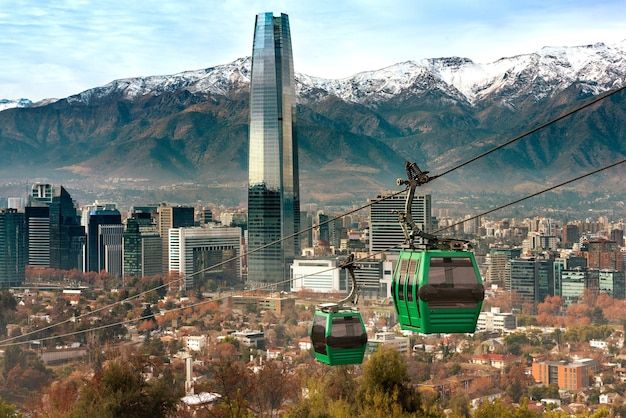
View of La Moneda Palace in Santiago, Chile on a sunny day.
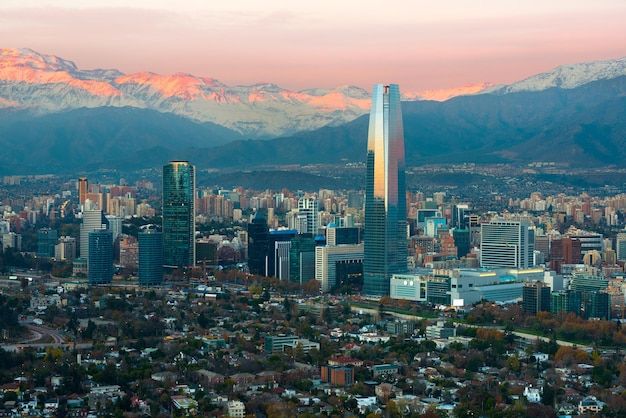
High angle view of city during sunset
Overhead cable car against buildings in city

Santiago

Chile
Art & ArchitectureHistoricalUrban HighlightsIconic LandmarksCultural
i

View of La Moneda Palace in Santiago, Chile on a sunny day.

Photo by Matheus Natan

Morning light hits the Andes like a postcard made real—jagged peaks wrapped in soft pink. In Bellavista, murals spill colour onto brick, while the smell of sizzling empanadas hangs sweet in the air. Downtown, suits rush past buskers, violin notes echoing off glass towers. Hop a metro to Ñuñoa: café terraces, laughter, the clink of cold pisco sour. Evenings cool fast, mountain air sharpening the stars. Santiago’s rhythm mixes bustle with breath, a city framed by its view. Expect smog some days, sure—but on a clear afternoon, there’s no finer skyline.

Quick Facts

currency
CLP
languages
Spanish
airports
Comodoro Arturo Merino Benítez International Airport
size
Large City
power
Type C, Type L
timezone
GMT-4 (Chile Standard Time)
safety
Moderately safe
costs
Moderate

General Information

Safety indexSantiago, Chile is generally considered a safe city for travelers. The safety index is around 60-70 out of 100. Petty crime such as pickpocketing and bag-snatching can occur, especially in tourist areas and on public transport. Violent crime is rare in the main tourist zones. Always remain aware of your surroundings and take normal precautions.

Best Time to TravelThe best time to visit Santiago is during the spring (September to November) and autumn (March to May) months. These seasons offer pleasant weather, clear skies, and moderate temperatures, making it ideal for sightseeing and outdoor activities.

Least crowded and still a good time to visitIf you prefer fewer crowds but still want favorable weather, consider traveling in late April to early June or late August to mid-September. These shoulder season periods see less tourist activity, lower prices, and mild weather, though you may encounter occasional rain.

BudgetSantiago is moderately priced for travelers. On a budget, you can expect to spend $40–70 USD per day if staying in hostels and eating at local restaurants. Mid-range travelers might spend $80–150 USD per day, while upscale travelers can spend $200 and above. Public transportation is affordable and food options vary from inexpensive street fare to high-end dining.

Healthcare and VaccinationsHealthcare in Santiago is of high quality in major hospitals and private clinics. Public hospitals may be crowded and Spanish is the primary language. Travelers are advised to have travel insurance that covers medical expenses. No special vaccinations are required to enter Chile, but it’s recommended to be up to date on routine vaccines. Hepatitis A and Typhoid vaccinations are suggested for those planning to eat street food or visit rural areas.

Visa RequirementsVisa requirements for Chile vary by nationality. Citizens of the United States, European Union, Australia, Canada, and several other countries do not need a visa for stays up to 90 days for tourism purposes. However, some travelers may need to pay a reciprocity fee or obtain a visa in advance, so it’s essential to check the current requirements with your local Chilean consulate or embassy before traveling.

Weather in Santiago

°C°F
3493
2577
1661
745
-228
Jan
Feb
Mar
Apr
May
Jun
Jul
Aug
Sep
Oct
Nov
Dec
3020100
Avg. min. temperature
Avg. max. temperature
Avg. precipitation days

First-time travelers

Step out of Santiago’s airport—sense a city breathing at the foot of the Andes. Colors, flavors, languages. For the first-timer, Chile’s capital isn’t gentle about revealing itself. This city pulses with confidence, blending crisp mountain air with exhaust fumes and roasting coffee. The first impression? Santiago is not a backdrop. It’s a character—loud, textured, charmingly unpredictable.

Finding Santiago’s Pulse

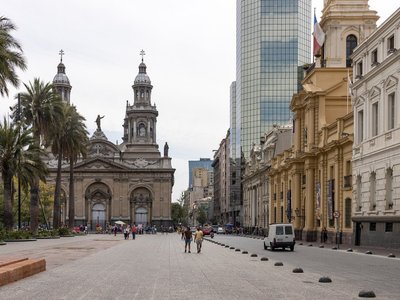
Begin downtown. Walk the pedestrian strip at Paseo Ahumada in the morning, where street vendors hawk mote con huesillo (sweet peach drink) from hefty glass jars. Palmas sway above a swirl of business suits and performers. Metropolitan Cathedral looms nearby, mirroring the city’s composure. Inside, candlelight bounces off gold altars. Outside, the world hustles by. Dip into La Vega Market, a cavernous maze alive with fruit scents—cherimoya, lucuma—older ladies chattering over purple potatoes. Taste everything, or at least the braided marble of manjar-stuffed churros.

The City’s Edges

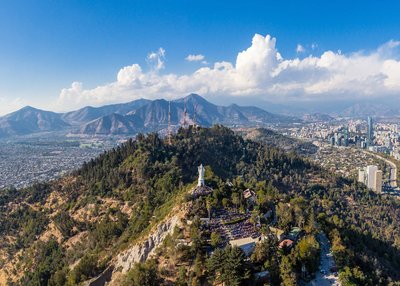
San Cristóbal Hill rises from leafy Bellavista, blue-painted houses tucked between graffiti murals and empanada stands. Take the funicular or, if able, walk—legs burning. The vista? Santiago sprawled under pale blue. Skyscrapers rise fast; snow-dusted mountains trap smog. Try a completo at a stand near Pío Nono, its creamy toppings a messy delight.

  • Stop at Barrio Lastarria for literature, café cortado, and vintage vinyl at Feria Internacional del Libro Valparaíso.
  • Share a meal of pastel de choclo at Confitería Torres—savory, sweet, thick with heritage.
  • Take an evening stroll through Barrio Italia’s antique shops and design studios.

Santiago’s lessons come fast. Its Spanish flows fast, too—quick, clipped. Often, a smile answers more questions than words. Be patient when lines move slow. Be open—the city feeds kind wanderers. For a first-timer, Santiago doesn’t just reveal itself. It invites you to join its tempo.
Return travelers

Coming back to Santiago is like meeting an old friend with new secrets. The city’s boldness now comforts. A sense of rhythm replaces first-visit wonder. Memory sharpens flavors, recalls lost side streets. The Andes stand familiar, quieting the nerves. Now, curiosity draws deeper—past plazas, into the daily life woven between mountains and high-rises.

Beyond the Obvious

Skip Plaza de Armas this time. Instead, uncover Santiago’s neighborhoods rarely spotlighted. Take the metro to Quinta Normal. Step into the Museo de la Memoria—haunted but essential—where oral history and stark images document resilience. Feel the weight, the gentle hush among visitors. Along Matucana, banana-leafed trees shade tiny bookstores and Peruvian bakeries. Street art creeps up iron gates.

Wander Villa Frei in Ñuñoa, a labyrinth of mid-century apartments, shaded with jacaranda. Locals fish for bargains at Feria Libre, a market where the fruit is labeled by season. Berries so purple they stain your fingertips—eaten on the spot.

New Traditions

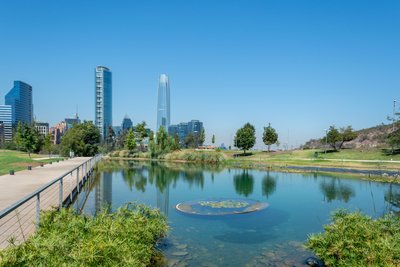
Return travelers savor details. Join residents lingering in Parque Bicentenario, watching black-necked swans glide the manmade lake. Share a merienda (tea-time meal) at Café de la Caña—try pan de huevo, sip bold té negro. Santiago’s nightlife demands attention; hear jazz riffs at Thelonious Club in Bellavista, where the scene is intimate, nonprofit, pure music.

  • View rare modern art at Galería Patricia Ready—admission free, light pouring through glass walls.
  • Sample picarones (pumpkin donuts) from a stand in Parque O’Higgins during local festivals.
  • Take the small elevator at Edificio Telefónica for a shockingly wide skyline view.
  • Converse with artisans in smaller ferias like Los Dominicos, Fridays only.

Santiago opens more with each visit. Return travelers see not just its sights but its people—stories shared over steaming sopaipillas or laughter beneath flashing city lights. Familiar, yet never finished.

Must-see locations

Plaza de Armas de Santiago

Plaza de Armas de Santiago

Lively Plaza de Armas pulses at Santiago’s center with street artists, chess games, and vendors. Grand Metropolitan Cathedral towers nearby. Shady palm trees, historical statues, and open-air cafés shape daily city life.

Learn More
Parque Bicentenario

Parque Bicentenario

Parque Bicentenario blends city escape with sweeping lawns, shimmering lagoons, and flamingos drifting through water. Families picnic, kids zip along bike paths, art lovers stroll by sculptures, and food trucks park near Vitacura’s café scene.

Learn More
Fantasilandia

Fantasilandia

Thrill rides whirl near Parque O’Higgins, where Fantasilandia brings Santiago’s energy to bright life. Roller coasters challenge courage; themed lands spark imagination. Street food, laughter, and local families fill the air with excitement.

Learn More
Parque Metropolitano de Santiago

Parque Metropolitano de Santiago

Parque Metropolitano de Santiago, South America's largest urban park, offers bike trails weaving through Cerro San Cristóbal, scenic cable car rides, Chilean flora at Jardín Botánico, and city views from the Virgin Mary statue above Bellavista.

Learn More
Parque Quinta Normal

Parque Quinta Normal

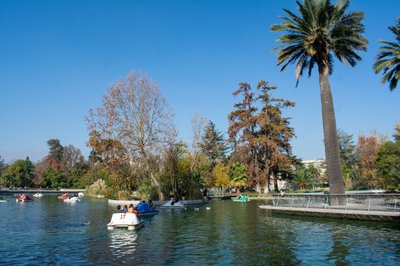
Lush gardens draw families to Parque Quinta Normal in Santiago, where locals picnic beside shimmering ponds. Kids ride bikes under old trees. Science and art museums—like Museo de Historia Natural—offer hands-on learning.

Learn More

How to get there

By air

Santiago de Compostela is served by Santiago-Rosalía de Castro Airport (SCQ), located about 13 km from the city center. The airport welcomes flights from major Spanish and European cities. Getting from the airport to the city is easy and efficient.
Options to get to town:
Taxi
Price:
Approx. €21–€25
Duration:
15–20 min
Where to buy:
Taxi rank outside arrivals
Airport bus
Price:
Approx. €1–€3
Duration:
25–35 min
Where to buy:
Tickets from driver or vending machines at airport
Train/shuttle
Price:
No direct train connection; shuttle bus available
Duration:
25–35 min (by shuttle bus)
Where to buy:
Tickets from driver or airport information desk

By train

Santiago de Compostela station is well connected by Renfe trains to major cities such as Madrid, A Coruña, and Vigo, including high-speed services. The station is within walking distance from the old town.
Useful websites for train tickets:

By car

Santiago de Compostela can be reached by car via the A-9 (Autopista del Atlántico) from the north and south, and the AP-53 from inland Spain. Roads are well-maintained, though parking in the historic center is limited.
Additional charges to be aware of:
Toll / vignette / emission sticker
Cost:
Tolls on AP-9 and AP-53 (e.g., €10–€30 depending on route and distance)
How to pay:
Pay at toll booths, some accept cards or cash
Other driving costs
Cost:
Parking fees (approx. €1–€2 per hour in central lots)
How to pay:
Pay at parking machines or via mobile parking apps

How to get around

Public transport

Public transport in Santiago is extensive and affordable, consisting mainly of the Metro de Santiago (subway) and city buses known as Red buses. The Metro is fast and reliable, ideal for moving quickly across the city, while buses reach more neighborhoods. A prepaid contactless card (Bip! card) is used for both, offering seamless transfers and discounts.

Ticket options:
Ticket TypePriceWhere to buy
Single ticketCLP 800–900 (Metro price varies by time)At Metro stations or kiosks for the Bip! card
Day passNot available (only Bip! card with pay-as-you-go credit)Metro stations and authorized retailers

Taxis & ridesharing

Taxis and ridesharing are widely available throughout Santiago. Official black-and-yellow taxis can be hailed on the street or at taxi stands. Ridesharing apps provide a more convenient and sometimes safer option, with prices shown upfront before you book.

Service providers:
ProviderPriceHow to book
Local taxiCLP 400 base + CLP 130 per 200 metersOn the street or at taxi stands
Ridesharing appVaries by route and demandVia apps like Uber, DiDi or Cabify

Car rental

Car rentals are a good option if you plan to explore Santiago's surroundings or day trips to places like Valle Nevado or Valparaíso. Major rental companies operate at the airport and city locations. Driving in Santiago can be busy, especially during rush hours, and parking might be challenging in some areas.

Rental options:
ServicePriceHow to book
Daily rentalFrom CLP 25,000 per day (economy car)Major rental agencies at the airport or city offices
Weekly rentalFrom CLP 150,000 per weekMajor rental agencies

Bike & scooter rental

Bike and scooter rentals are popular in central neighborhoods and parks. Santiago offers dedicated cycle lanes and some picturesque cycling routes. Electric scooter sharing is available via mobile apps, offering a quick and fun way to zip around short distances.

Rental options:
ServicePriceHow to book
Bike rentalFrom CLP 2,000 per hourBike shops or public rental stations in parks
Scooter rentalStarting at CLP 200 per minuteVia mobile apps available in Santiago

What to eat

Salted breezes whip over the foothills as vendors shout, stacking crimson tomatoes and rosy peaches. The scent of sizzling beef—a hint of cumin—lingers on the city’s crisp evening air. Santiago tempts all your senses at once. Locals crowd cafés and markets, debating the best empanada as the Andes fade into dusk. Eating here is never just a meal—it’s a celebration, daily, with every bite grounding you in Chile’s spirited heart.

Signature Dishes

  • Empanada de Pino: Golden pastry stuffed with beef, onion, hard-boiled egg, olive, and raisin. Chile’s reliable snack, warm with spices.
  • Cazuela: Homestyle soup packed with beef or chicken, squash, potatoes, corn, and rice. Comfort in a bowl, found everywhere from homes to humble diners.
  • Completo: A Chilean take on the hot dog—piled high with mayo, tomato, sauerkraut, and avocado. Messy, massive, perfect after a long day.
  • Pastel de Choclo: Savory corn pie layered with spiced beef, chicken, and olives, topped by sweet corn custard. Baked golden and best eaten hot from family kitchens or rustic restaurantes.

Street Food & Markets

La Vega Central buzzes. Fresh fruit pyramids reach your shoulders—nectarines, cherimoya, glossy red ají peppers. Street stalls serve sopaipillas: discs of fried squash dough, crisp and chewy at once, slathered with sweet or spicy sauces. Pop by Mercado Central for razor-fresh seafood—choritos and machas (mussels, clams) heaped on ice. Lines wind for mote con huesillo from summer carts—wheaty nectar, chewy peaches in syrup. Watch for “picadas,” those friendly, bustling hole-in-the-walls where locals munch caldillo de congrio (eel stew) or bargain menú del día. Yes, crowds press in, especially weekends. But the shared tables and bold flavors make the squeeze worth it.

Sweet Treats & Drinks

Curdle your sweet tooth with a cuchuflí—crisp pastry tubes oozing with creamy dulce de leche. Hunt down kuchen (fruit tart), a German legacy, at old-school bakeries in Providencia. On hot days, sip mote con huesillo or try a Terremoto at La Piojera: sweet white wine, pineapple ice cream, a shot of local bravado. Coffee is everywhere—bold and strong, fueling long late-night rambles.

Why Travelers Eat Here

  • Fresh, inventive street food handcrafted daily by locals
  • Iconic Chilean soups, stews, and baked specialties with centuries-old roots
  • Bustling markets brimming with produce, seafood, and character
  • Vivid, affordable flavors set against a stunning Andean backdrop

In Santiago, every meal tells part of the city’s restless story—modern, proud, alive. Grab a seat, pass the pebre, and taste a city always hungry for more.

Top Rated Restaurants

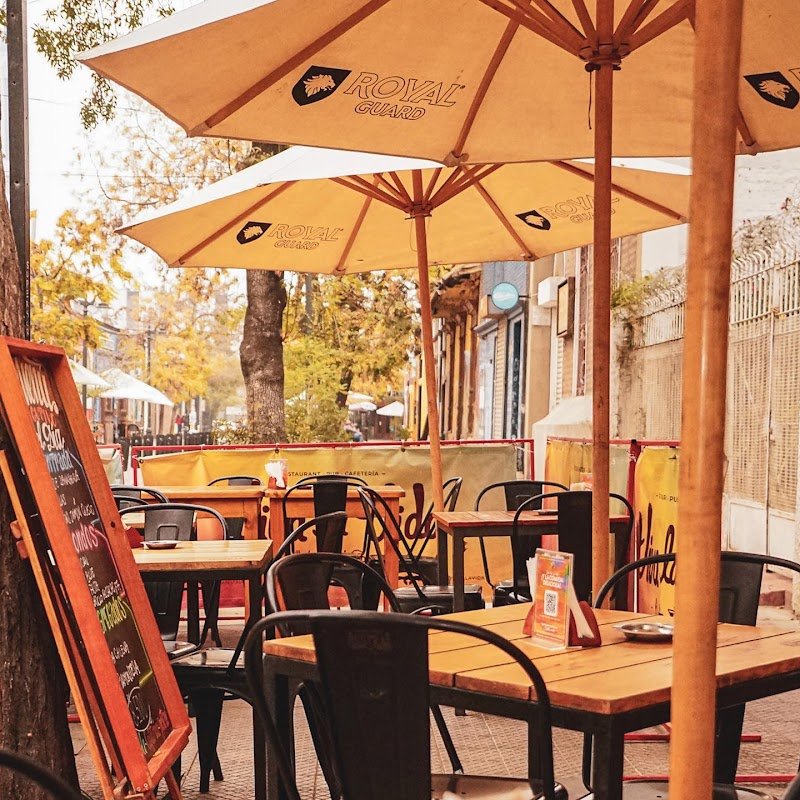
Restaurant Viva La Vida

Restaurant Viva La Vida

4.8 (3.2k reviews)
$$
LocationConstitución 166, 7520367 Providencia, Región Metropolitana, Chile
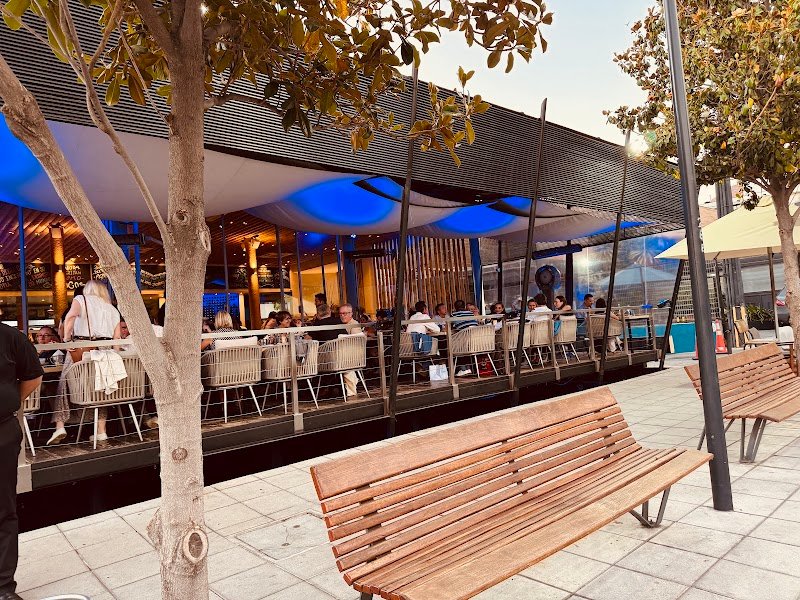
La Mar

La Mar

4.6 (3.1k reviews)
$$$$
LocationAv. Nueva Costanera 4076, 7630191 Vitacura, Región Metropolitana, Chile
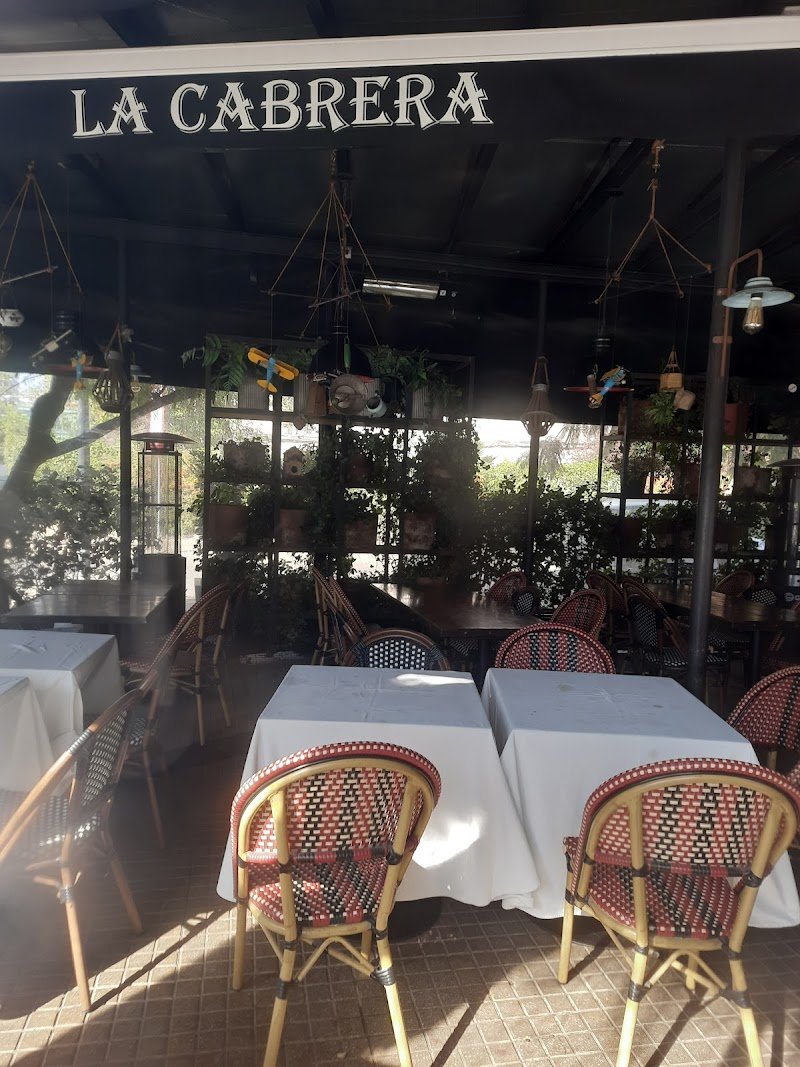
La Cabrera Chile Isidora

La Cabrera Chile Isidora

4.6 (1.8k reviews)
$$$
LocationIsidora Goyenechea 3275, 7550129 Las Condes, Región Metropolitana, Chile
Los Vikingos Restaurant

Los Vikingos Restaurant

4.6 (7.9k reviews)
$$
LocationAv. Ricardo Cumming 166, 8350538 Santiago, Región Metropolitana, Chile
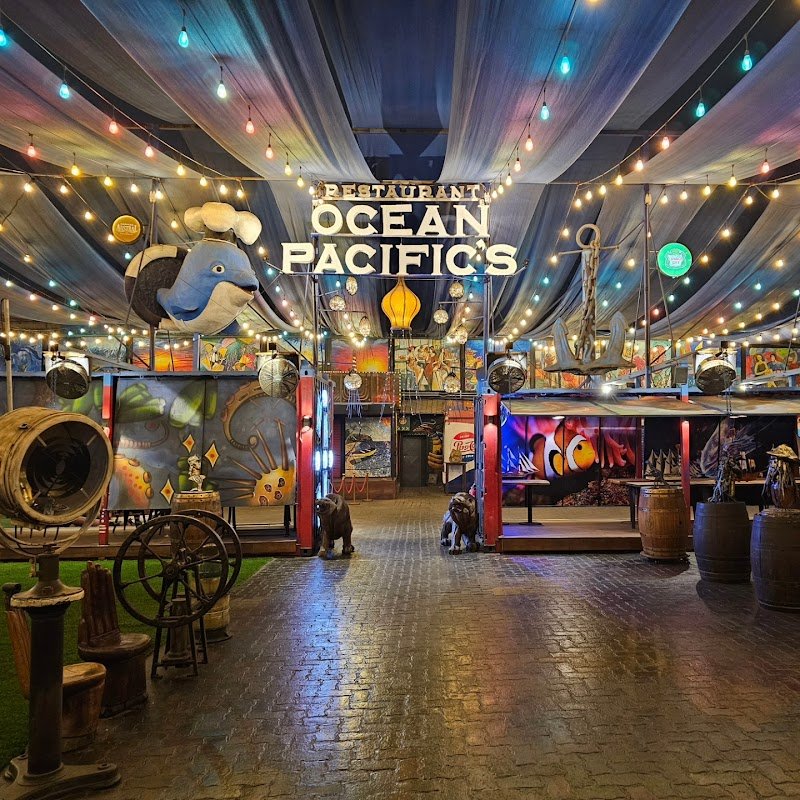
Ocean Pacific's Buque Insignia

Ocean Pacific's Buque Insignia

4.6 (12.5k reviews)
$$
LocationHUERFANOS 2286 - Agustinas 2237, 8340468 Santiago, Región Metropolitana, Chile

Accommodations

Finding a place to sleep in Santiago is more than picking a bed. The city unfolds like a patchwork, each zone telling a different story. Choose wrong, and the city feels distant—choose right, and Santiago hums beneath your window. Where you stay will shape what you remember, how you explore, and who you meet over morning coffee.

Neighborhood Overview

  • Barrio Lastarria: Cobblestone streets hold bookshops, theaters, and leafy plazas. Couples or art lovers linger over wine in candlelit bars. Weekends buzz with markets and street musicians. Night brings a gentle, mellow calm.
  • Bellavista: Bold murals and crowded patios define Bellavista, Santiago’s bohemian heart. Night owls love its late-night pisco sours and live music. Streets can get noisy, but steps away lie views from San Cristóbal Hill and quirky boutique hotels.
  • Providencia: Families and business travelers settle here for wide boulevards, parks, and easy subway links. Shops and coffee houses thread through residential blocks. Nights tend to be quiet, and there’s a sense of order—but not boredom.
  • Vitacura: Santiago’s chicest address, with leafy avenues, upmarket restaurants, and sleek designer hotels. Ideal for those seeking comfort and calm after a day’s adventure. Fewer tourist throngs, higher prices, excellent safety, but nightlife is subdued.
  • Centro Histórico: History pulses through these crowded blocks. Big plazas, culture, and a working-class energy greet travelers who want authenticity. The area feels gritty at times—good for explorers who crave the city’s real rhythm and don’t mind a little chaos.

Types of Accommodation

  • Hostels and Guesthouses: Lastarria and Centro offer shared dorms or cozy privates (from $15–$40 nightly). Great for solo travelers or anyone seeking social vibes.
  • Mid-range Hotels: Providence and Bellavista boast chains and independents (expect $60–$120 nightly). Strong Wi-Fi, breakfast buffets, and helpful concierge staff. Consistent, but book early for weekends.
  • Boutique or Luxury Hotels: Vitacura and upper Providencia feature designer stays and rooftop pools ($150–$350+ per night). Expect polished service and plush linens—best for couples or work trips.

Insider Tips for Booking

Peak season from November to February drives prices up, especially in Lastarria and Bellavista. Book at least two months ahead for the best deals. Some listings add Chile’s 19% IVA tax—ask if it's included. Off-peak? Negotiate directly or check local booking sites for specials.

At sunset, Santiago’s rooftops glow—and whole streets shift from chaos to calm. From a balcony in Lastarria, or a bench in Providencia, the city’s pulse is yours to choose—one room, one night, at a time.

Santiago Travel Guide - What to See, Do & Eat